I Used to Think Self-Care Was Selfish
Simple self-care routine thoughts often hit you the moment you wake up — those first few minutes when something already feels off, even though nothing specific has happened yet.
Nothing specific has happened, yet the tension is there. In your chest, in your stomach, in your thoughts. You haven’t even gotten out of bed, but your mind is already racing: what you need to do today, who you need to live up to, what you can’t afford to mess up.
And somewhere deep down, you know this isn’t sustainable — yet every day starts the same way.
If this sounds familiar, you’re not alone. And more importantly, the solution isn’t to try harder, do more, or push yourself even further.
Sometimes the real shift begins when you finally start paying attention to yourself, too.
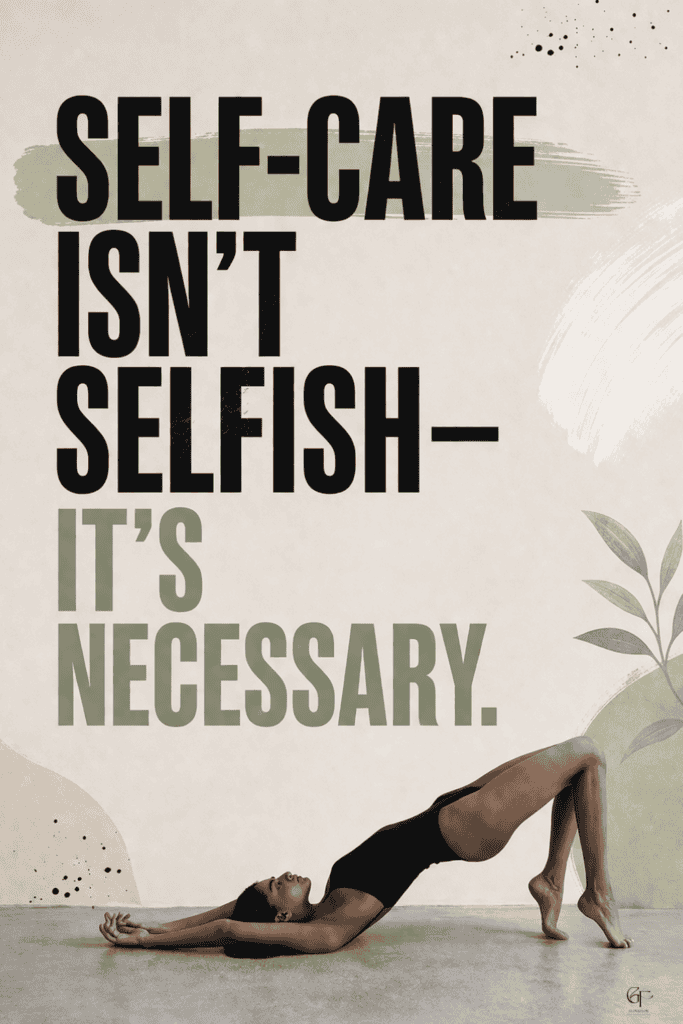
If this topic speaks to you and you want to explore it even deeper, the article “Self-Care Isn’t Selfish or Superficial” offers a powerful perspective on why taking care of yourself is not indulgent — it’s essential. It expands on the same idea I share here: that real self-care isn’t about luxury, but about finally giving yourself permission to rest, feel, and exist without guilt.
My Honest Confession About Self-Care
For a long time, everything looked fine from the outside. I had a job, I was doing what I was supposed to do, moving forward the way you “should.”
But inside, things were getting harder and harder.
My days started with anxiety the moment I woke up. Not because of one specific problem — it was more like a constant background tension that followed me everywhere. Like I was always on edge, even when nothing was actually wrong.
All day, I tried to keep up. To do everything right. To not make mistakes. To meet expectations. I paid so much attention to what others needed from me…
that I completely ignored how I felt.
For a long time, I thought this was normal. That this is just what adult life feels like — a little tense, a little overwhelming, always a bit too much.
Then I hit a point where my body wouldn’t let me ignore it anymore.
It wasn’t just “in my head” anymore. The stress showed up physically. Tightness in my chest, constant restlessness, this underlying tension in my body that just wouldn’t go away. It got to a point where it started interfering with my everyday life.
That was the moment I couldn’t push it aside anymore.
I realized the problem wasn’t that I wasn’t doing enough — it was that I wasn’t taking care of myself at all.
And that’s where things started to change.
Not with big, dramatic steps. Not with a perfect routine.
But with small things: a few minutes of quiet in the morning. A short walk. Not responding to everything immediately. Not trying to please everyone all the time.
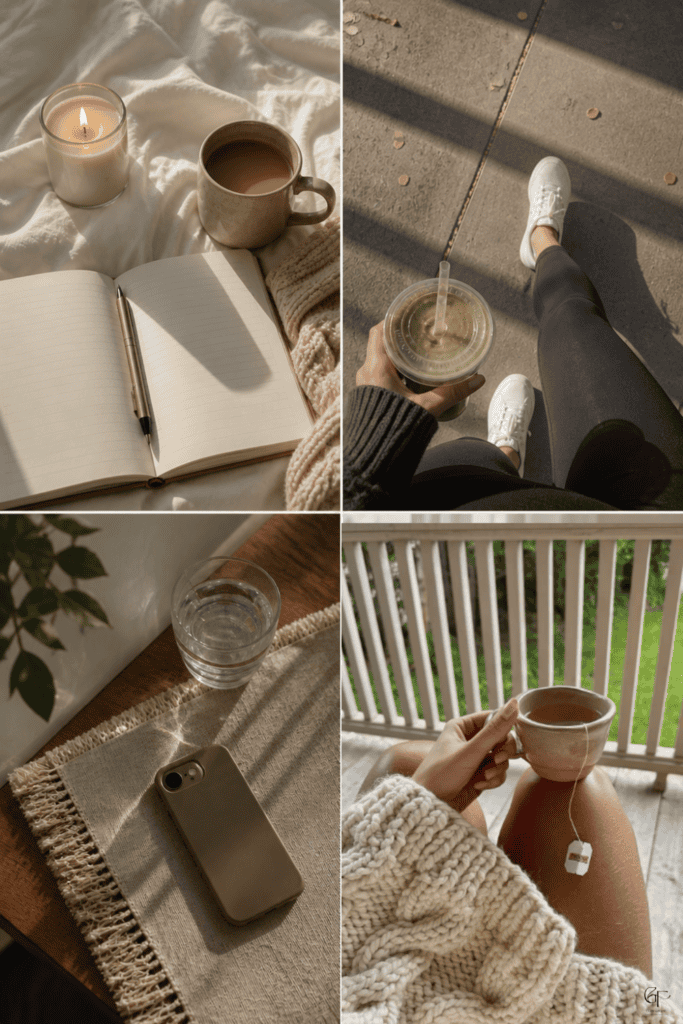
And slowly — really slowly — the tension started to ease.
That’s when I understood: self-care isn’t a luxury, and it’s not a reward.
It’s a necessity.
What a Simple Self-Care Routine Actually Looks Like
Here’s the truth nobody tells you: an effective self-care routine doesn’t have to be complicated. It just has to be consistent. Let me walk you through what actually works for busy women — not in theory, but in real life, with real time constraints.
Start Your Morning With 10 Intentional Minutes
Before you check your phone — and I know, I know, this one is hard — give yourself ten minutes that belong entirely to you. This isn’t about a perfect morning routine you saw on Instagram. This is about creating a small buffer between sleep and the chaos of the day.
You might stretch gently on your bedroom floor. You might write three sentences in a notebook about how you’re feeling. You might sit by a window with your coffee and just be there, not scrolling, not planning dinner, just existing for a moment.
I started doing this about two years ago and the shift was subtle at first, then undeniable. I arrived at my desk calmer. I reacted to stressful emails with less panic. That ten-minute window became protective — a little armor I put on before the day got loud.
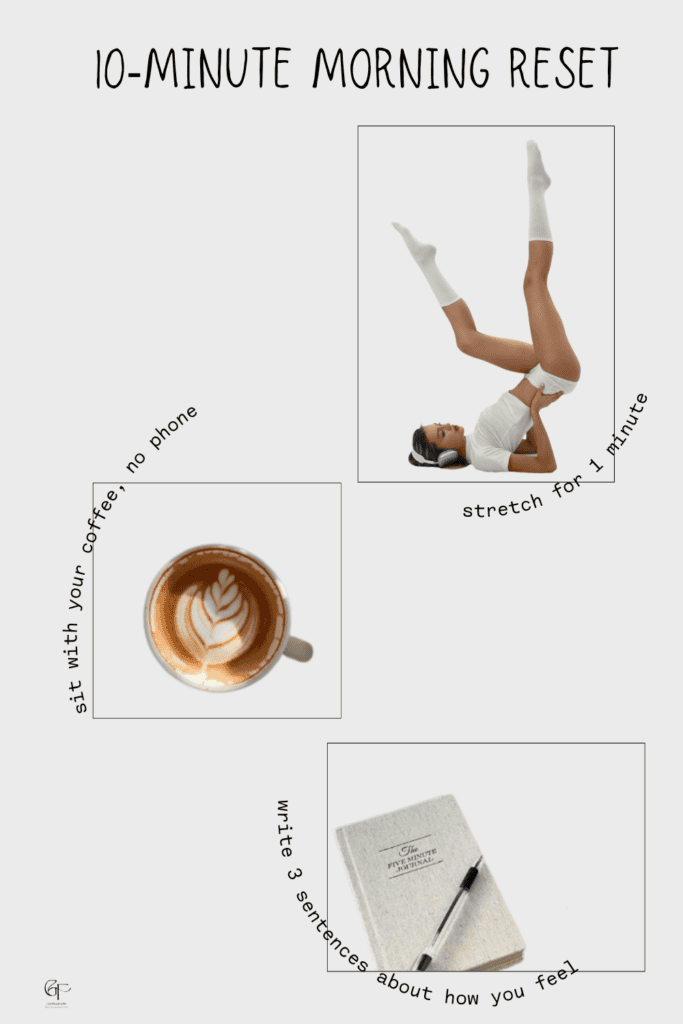
If you’re curious about my soft girl morning routine, you can read more by clicking on the article.
Move Your Body in a Way That Feels Good, Not Punishing
Physical self-care tends to get hijacked by fitness culture, and suddenly it becomes about burning calories or hitting step counts rather than actually feeling well. Let go of that framing entirely.
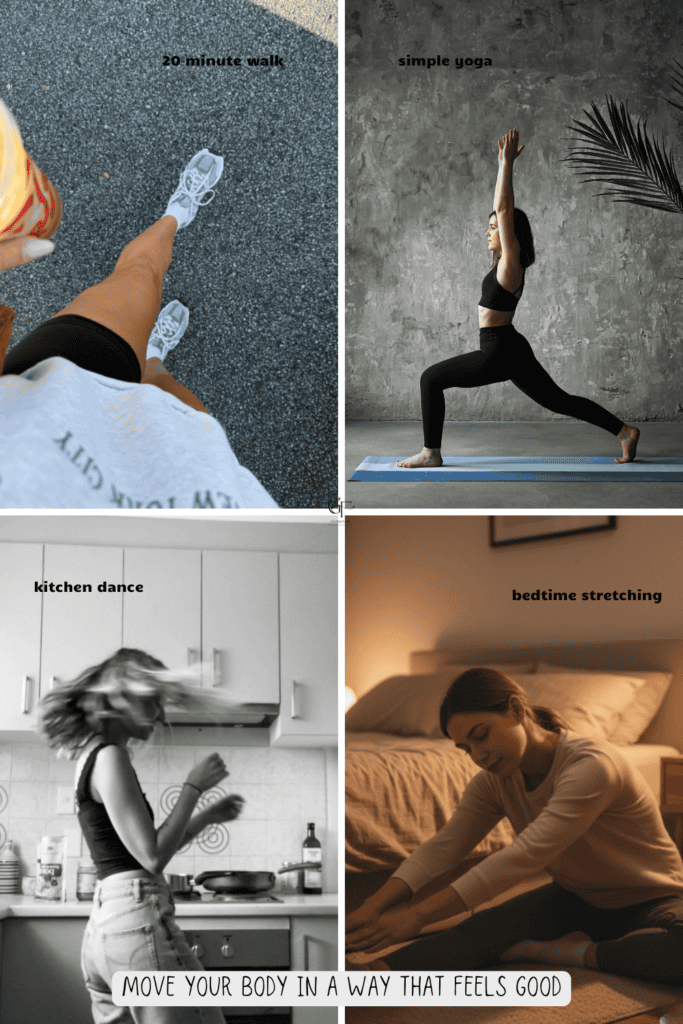
Moving your body is self-care because it genuinely changes your mood. Exercise releases endorphins — that’s not a wellness cliché, that’s biology. But the movement has to feel sustainable. For me, that means a 20-minute walk most days, a yoga session twice a week, and the occasional dance party in my kitchen while making dinner. That’s it. Nothing heroic.
The key is finding what you genuinely enjoy, because something you enjoy is something you’ll actually keep doing. If the gym feels like a punishment, don’t go to the gym. Walk around your neighborhood instead. If structured workouts drain you further, try stretching before bed. The goal is to feel better, not to check off someone else’s version of healthy.
Protect Your Sleep Like It Pays Your Bills
Because in a way, it does. Poor sleep affects your mood, your focus, your immune system, your relationships, and your ability to handle stress. And yet, sleep is almost always the first thing busy women sacrifice.
I spent years thinking I could function on six hours. I was wrong. I was just too tired to notice how wrong I was.
Creating a simple wind-down ritual — even just 20 minutes before bed where you dim the lights, put your phone face-down, and do something quiet like reading or light stretching — can dramatically improve the quality of your rest. You don’t need blackout curtains and a white noise machine (though both are wonderful). You just need to tell your nervous system that the day is ending.
Feed Your Emotional Life, Not Just Your Schedule
This is the part of self-care that tends to get completely skipped. We manage our physical health somewhat, we maybe exercise, but emotional self-care? That feels almost indulgent, doesn’t it? Like something you’ll get to when things calm down.
Things don’t calm down. That’s the secret no one tells you.
Emotional self-care means processing your feelings instead of packing them away. It means journaling even when you only have five minutes. It means calling a friend who actually makes you feel like yourself. It means setting a boundary with that one person who consistently leaves you feeling depleted — and not spending three days feeling guilty about it afterward.
I started keeping a small notebook by my bed just for brain dumps. Before sleep, I write down anything that’s circling in my head — worries, to-do items, things I’m grateful for, things that frustrated me. It takes seven minutes. And it stops all of those thoughts from doing laps in my brain at 2am.
Create Micro-Moments of Rest Throughout the Day
You don’t need a free afternoon to restore yourself. You need micro-moments — small pockets of intentional rest sprinkled through your day.
This might look like: a five-minute walk outside after a long meeting. Eating your lunch without looking at a screen for once. Taking three slow, deep breaths before you answer a difficult phone call. Choosing one evening a week where you don’t make plans and you don’t apologize for it.
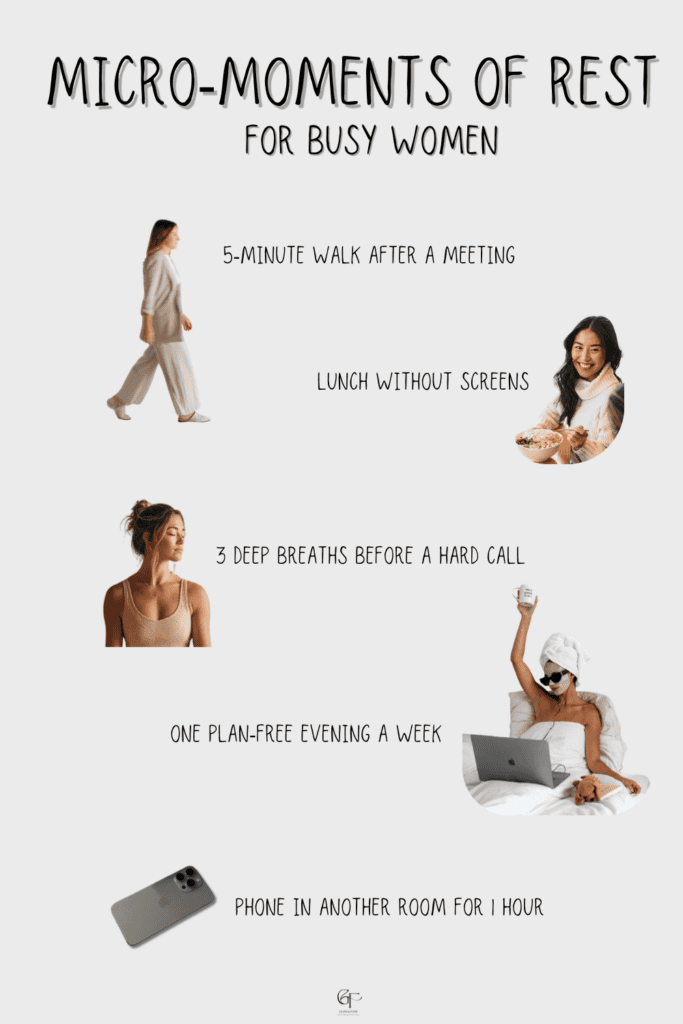
These micro-moments are underestimated because they feel too small to matter. But they compound. A day filled with five-minute pauses feels entirely different from a day spent sprinting from task to task with zero recovery. Your nervous system notices the difference even when your to-do list doesn’t.
Audit What’s Actually Draining You
Sometimes the most powerful self-care isn’t adding something new — it’s removing something that’s costing you. Take an honest look at your week and ask: what leaves me feeling worse than before I started?
For many women, the answer is social media. Thirty minutes of aimless scrolling rarely leaves you feeling inspired or rested. More often it leaves you feeling somehow behind in your own life, comparing yourself to curated versions of other people’s days. Limiting screen time — not eliminating it, just creating some guardrails — is one of the highest-impact self-care moves you can make.
Other drains might be saying yes to commitments you resent, spending time with people who leave you exhausted, or never fully disconnecting from work. Identifying what’s draining you is the first step to protecting your energy.
Quick Self-Care Wins for Busy Days
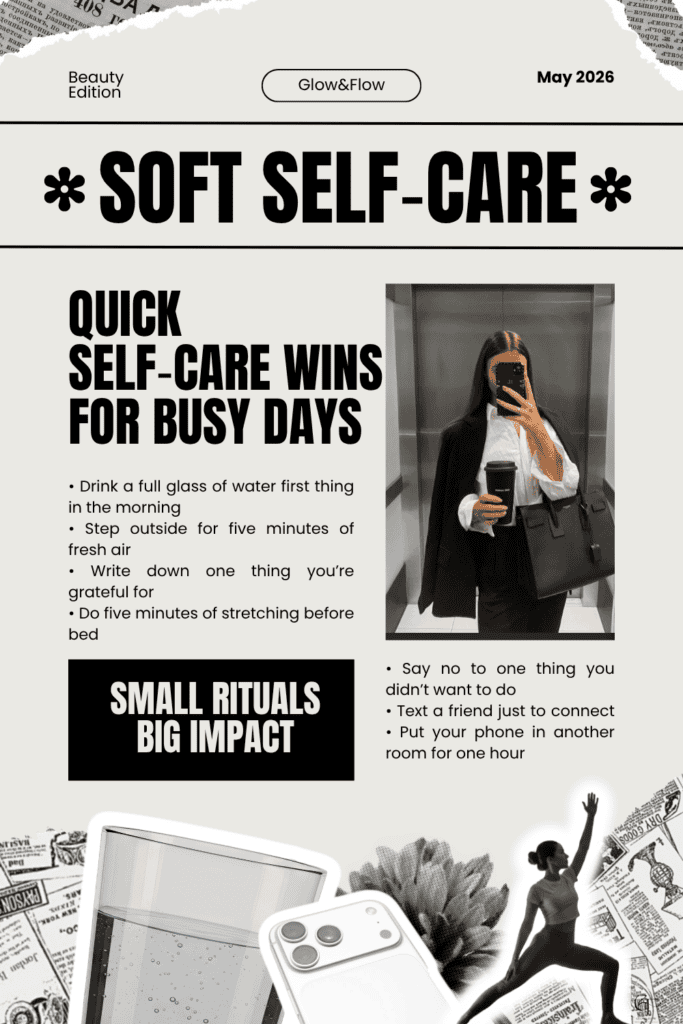
When life is genuinely too full for anything elaborate, here’s what actually helps:
- Drink a full glass of water first thing in the morning before anything else
- Step outside for even five minutes of fresh air and daylight
- Write down one thing you’re grateful for — just one, that’s enough
- Do five minutes of stretching or deep breathing before bed
- Say no to one thing this week that you didn’t actually want to do
- Text a friend just to say you’re thinking of them
- Put your phone in another room for one hour in the evening
None of these are revolutionary. All of them work.
The Bottom Line
Self-care isn’t a reward you earn after you’ve handled everything else. It’s the foundation that makes handling everything else possible. When you’re running on empty — depleted, stressed, and stretched thin — you can’t pour into your work, your relationships, or your goals. You have nothing left to give.
The self-care routine that works for you doesn’t have to look like anyone else’s. It doesn’t have to be elaborate or time-consuming or Instagram-worthy. It just has to be yours, and it has to be consistent enough to actually matter.
Start small. Be patient with yourself. Ten minutes in the morning, a walk around the block, a notebook by your bed, and a few honest boundaries — that’s enough to begin.
You’re not being selfish by taking care of yourself. You’re being smart.
Ready to Start Your Own Routine?
I’d love to hear from you — what’s one small self-care habit that has made a real difference in your life? Drop it in the comments below. Your answer might be exactly what someone else needs to hear today.
If this resonated with you, save it to your Pinterest board for the next time you need a reminder that your well-being matters. And if you’re looking for more practical, no-fluff wellness tips for real life, subscribe to the newsletter — I share simple strategies every week, no spam, no pressure.
You’ve got this. 🤍