My soft life journey didn’t begin with a perfect routine — it began with my body trying to get my attention.
For most of my life, I didn’t know what was wrong with me. I just knew that something was. The dizziness in crowded places. The nausea that arrived without warning. The constant, low-level hum of unease that followed me from one chapter of life to the next. It wasn’t until I finally stopped running — stopped pushing, performing, and pretending everything was fine — that I began to understand: my body had been trying to tell me something for years. I just hadn’t learned to listen yet.
This blog is the story of that listening. And I hope it becomes a place where you feel a little less alone in yours.
Where It All Began
I was a quiet, anxious child — the kind who craved closeness but didn’t always know how to ask for it. My parents loved us deeply; that I never doubted. But they also worked constantly, carrying the weight of their own unhealed wounds — patterns passed down from generations that didn’t have the language for what they were going through. Without realizing it, those patterns shaped me, too.
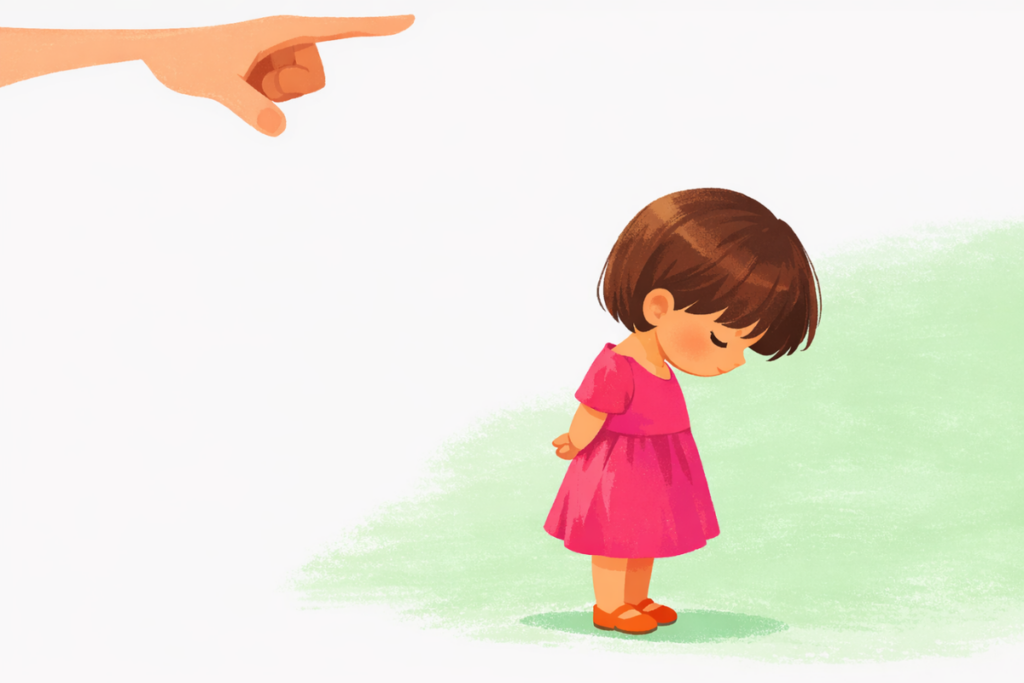
By the time I reached secondary school, the anxiety I’d always carried quietly became impossible to ignore. For four years, I faced daily bullying. At 165 cm, I was painfully thin — not by choice, but from stress and genetics — and instead of compassion, I received cruelty. I was at exactly the age when every teenager desperately wants to belong, to be seen, to be told they are enough. I received the opposite. I would come home each day, look at myself in the mirror, and cry — not because I couldn’t see reality clearly, but because I had no idea how to change it.
"Those years left marks I didn't fully understand until much later. And they set in motion a pattern I would repeat for a long time: ignoring what my body was telling me, and not knowing how to say no."
The Moment My Body Spoke Up
Physical symptoms started in my late teens. Intense nausea, out of nowhere. Dizziness. A general sense that something was quietly, deeply wrong. At first I pushed through it. Then I started seeing doctors. Then therapists. Slowly, I began to connect the dots: my body wasn’t malfunctioning — it was communicating. Every time I was in a situation that went against my own needs, every time I said yes when I meant no, it responded with symptoms that forced me to stop and pay attention.
This realization was both devastating and liberating. It meant I wasn’t broken. It meant I had been surviving instead of living. And it meant I had a choice to make.
University brought a kind of fresh start. A new city, new people who saw me differently — who didn’t reduce me to what I looked like or how quiet I was. For a while, things felt lighter. But anxiety has a way of finding you wherever you go, especially when the root causes haven’t been addressed. University felt like a fresh chapter in My Soft Life Journey, even with all the anxiety I carried.The episodes kept coming back: nausea so severe I couldn’t take public transport, moments on the street where I was convinced I would faint.
Eventually, I was diagnosed with generalized anxiety disorder. I started medication. It helped. I thought I was done with the hard part.
I wasn’t.
This was the moment my My Soft Life Journey truly began, even if I didn’t recognize it yet.

The Chapter That Changed Everything
A few years later, everything became harder again. Over five long months, my doctors and I cycled through antidepressant after antidepressant, searching for something that would work. Nothing did. I had to leave my job. I could barely get through a day. Those months were, without question, the worst of my life.
But they were also, in a strange way, the most honest I had ever been with myself. When you have no performance left in you — when you’re too exhausted to pretend — you get very clear on what actually matters. And I realized I had spent so much of my life in survival mode that I had never truly asked: what does a good life actually look like for me?
"I couldn't keep waiting to feel better before I started living differently. I had to start living differently in order to feel better."
Why I Chose the Soft Life
I’m still not perfectly well. I still take medication. I still go to therapy regularly. Generalized anxiety disorder doesn’t simply disappear — and I’ve made peace with the fact that it may always be part of my life in some form. But what has changed is my relationship with it.
I stopped treating my body like an obstacle to manage and started treating it like something worth caring for. I began building routines — small, gentle, consistent ones — that made room for rest, beauty, slowness, and presence. I stopped rushing through my days as though I had something to prove. And gradually, the unbearable became livable. Then livable became, sometimes, even good.
I didn’t plan My Soft Life Journey — my body slowly guided me into it.

The soft life isn’t a trend for me. It isn’t aesthetic breakfasts and linen bedsheets, though I love both. It’s a deeply personal commitment to choosing ease over hustle, gentleness over harshness, and presence over performance — because my nervous system genuinely cannot afford anything less. It’s the understanding that healing isn’t something you wait for passively. It’s something you build, quietly and consistently, one small choice at a time. Choosing rest over performance became one of the first real steps in My Soft Life Journey.
Small Habits That Support My Soft Life Journey
I created this space to share the tools, routines, and small shifts that have genuinely helped me — not because I’ve figured everything out, but because I wish someone had shared them with me when I was at my lowest. If you’re living with anxiety, burnout, or simply the exhaustion of moving too fast for too long, this blog is for you.
What this blog is about
- Slow morning routines that calm rather than rush your nervous system
- Gentle daily habits that make anxiety more manageable over time
- Self-care practices rooted in real life, not perfection
- Honest conversations about mental health, healing, and hard days
- Simple ways to bring more softness, rest, and joy into your everyday
- The mindset shifts that helped me stop surviving and start living
This isn’t about having a perfect life. It’s about building a life that feels sustainable — one that your body, your mind, and your heart can actually say yes to.
If you’re curious about the science and psychology behind slowing down, The New York Times also explores this beautifully in their guide on how to slow down.
A Slower Path Forward
Living slower didn’t happen overnight for me. It came through years of listening to signals I kept trying to ignore, through difficult diagnoses and darker seasons, through finding and losing and finding myself again. But the direction was always the same: toward softness, toward honesty, toward a quieter and more intentional way of being.
If you’re somewhere on that path too — whether you’re just starting to question the pace of your life, or you’re deep in the hard work of healing — I hope you find something here that helps. You don’t have to rush. The slow way is still moving forward.
If you’re on My Soft Life Journey too, I hope this space feels like a soft place to land.
You’re not alone in this.
Save this post to Pinterest, share it with someone who needs it, or leave a comment below. I’d love to know what brought you here and what you’re looking for.
If you’re interested in My Soft Life Journey and want to learn how to slow down your life with more intention, read my article: 10 Soft Life Tips That Reduce Stress.