When Your Child Comes Home and Says “Nobody Likes Me”
There’s a particular kind of heartbreak in hearing your child say they ate lunch alone again, or that “everyone” is being mean to them. Your instinct is probably some mix of wanting to fix it immediately and not knowing where to even start.
If you have a child bullied at school — whether that’s name-calling, physical bullying, or being quietly frozen out of the group — you’re not overreacting, and neither are they. This is one of the hardest things a parent has to help a child through, and it deserves a real plan, not just reassurance.
This guide walks you through the signs, what to do first, and a step-by-step way to actually support your child — grounded in what real experts recommend, and in what I wish someone had known when I was the kid on the other side of it.
I Know What It’s Like to Be the Kid Nobody Sat With
I was always a quiet, skinny kid, and that was enough of a reason for other children to single me out. I got bullied and left out for years — for how I looked, for how little I spoke up for myself.
I loved summer break for a reason that had nothing to do with sunshine. It was the only stretch of the year I didn’t have to walk into a room and brace myself. As September got closer, my stomach would knot up for days, just from knowing what was waiting for me again.
My parents thought it was just something kids went through. They weren’t wrong that it was common — but they didn’t have the tools to really help me carry it, and I don’t think either of us understood at the time what could have made it easier.
That gap is exactly what I want to help close for you. If you have a child bullied at school right now, know that their pain doesn’t need to look dramatic to be real, and you don’t have to have all the answers to make a real difference. You just need a place to start.
Signs Your Child Is Being Bullied — Even If They Don’t Say It
Many kids don’t tell their parents directly when they’re being bullied — sometimes out of embarrassment, sometimes out of fear it will make things worse. Watch for:
- Sudden reluctance to go to school, or vague physical complaints on school mornings
- Torn clothing, lost belongings, or unexplained bruises
- Withdrawal from friends, activities, or things they used to enjoy
- Changes in eating or sleeping
- Dropping grades or sudden difficulty concentrating
- Seeming sad, anxious, or irritable after school or after being online
If you’re noticing several of these signs, trust your instincts. Many children who are being bullied also show signs of anxiety before they ever talk about what’s happening. For a deeper look at how anxiety can show up in everyday life, read 7 Alarming Causes of Anxiety Most People Overlook.
What to Do the Moment You Find Out
The first few minutes after your child opens up matter more than you might think.
- Stay calm, even if you’re furious. A big emotional reaction can make your child feel like they need to manage your feelings on top of their own.
- Listen first, fix later. Let them tell the whole story before jumping to solutions.
- Say clearly: this isn’t your fault. Kids who are bullied often quietly believe they somehow caused it.
- Thank them for telling you. This makes it more likely they’ll come to you again next time.
Experts at KidsHealth note that reassuring a child they’re not alone — and reminding them that the bullying reflects on the person doing it, not on them — is one of the most protective things a parent can say in that first conversation. How you respond in these first few minutes often shapes how safe a child bullied at school feels coming to you again.
How to Help a Bullied Child, Step by Step
Once the initial conversation has happened, here’s how to support a child bullied at school, step by step, moving from that moment toward actually feeling safer.
1. Get the Full Picture First
Ask specific, gentle questions over several conversations rather than one big interrogation: Who was involved? Where does it usually happen? Has it happened before? Write down what you learn — dates, details, anyone who witnessed it — in case you need it later.
2. Ask What Would Help Them Feel Safe
Instead of deciding the plan for them, ask your child directly what they think would help. This gives them back some sense of control in a situation that’s made them feel powerless, and it often surfaces details you wouldn’t have thought to ask about.
3. Coach, Don’t Just Comfort
Alongside emotional support, help your child build a few concrete tools: how to say “stop it” calmly and walk away, who to go to at school if it happens again, and which peers or spaces feel safer. Role-playing these moments at home, calmly, can make a real difference when the moment actually comes.
4. Rebuild Their Confidence Outside of School
Bullying chips away at self-worth. Look for spaces — a hobby, a sport, a friendship outside the school group — where your child gets to feel capable and liked again. That outside confidence often carries back into how they handle things at school.
5. Keep the Door Open, Daily
Set up a low-pressure daily check-in — in the car, at dinner, before bed — where your child knows they can talk if something happened, without you demanding a report every day. Consistency matters more than intensity here.
When Your Child Is Being Excluded, Not “Just” Bullied
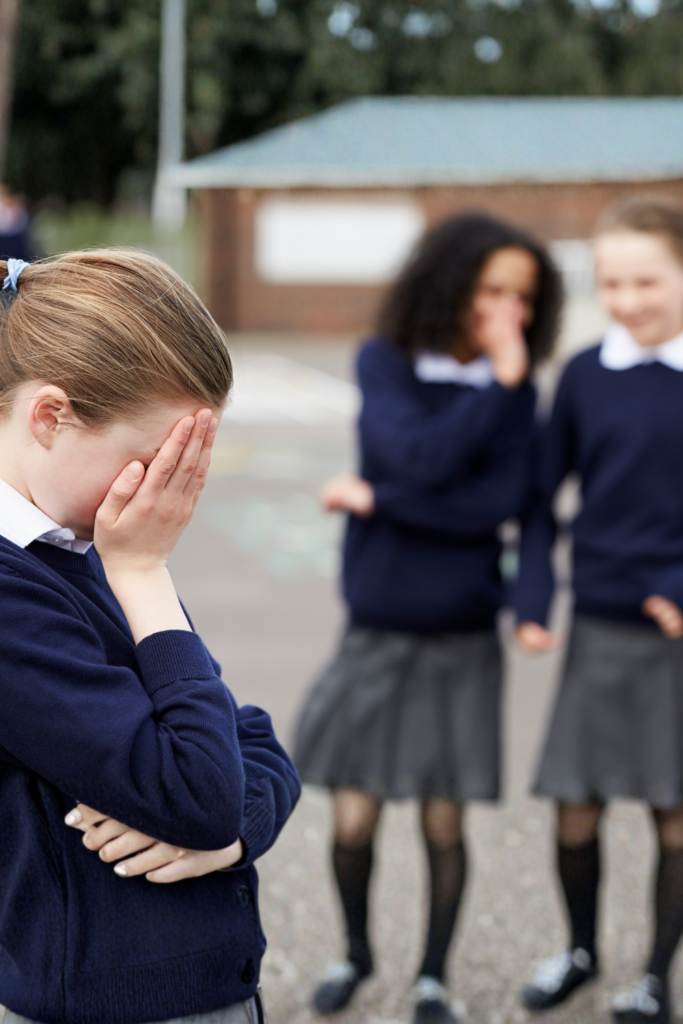
Not all bullying is loud. A child excluded at school — left off invitations, ignored at lunch, quietly frozen out of a friend group — can be just as painful as name-calling, and it’s often harder for parents to spot or for schools to address, because there’s no single incident to point to. A child bullied at school this way often looks completely fine on the surface.
If this is what your child is facing, a few things help specifically:
- Help them find or build one solid friendship rather than trying to force their way back into a group that’s excluding them
- Encourage activities outside the original friend group, where they can start fresh
- Validate that exclusion hurts just as much as more visible bullying — don’t let anyone, including well-meaning relatives, minimize it as “just kids being kids”
Working With the School Without Making It Worse
If you have a child bullied at school, involving the school is usually necessary — but how you approach them matters just as much as whether you do.
- Request a private meeting with the teacher or counselor rather than raising it in passing
- Come with specific dates, details, and what you’ve already observed at home
- Ask about the school’s written anti-bullying policy, and what steps they’ll take
- Avoid contacting the other child’s parents directly — this can escalate things and, in many states, isn’t the recommended first step
- Follow up if nothing changes within a couple of weeks
According to StopBullying.gov, involving the school early — and keeping the focus on solving the problem together, rather than assigning blame in the moment — tends to lead to better outcomes for the child than trying to resolve it entirely at home.
When to Bring in Extra Support
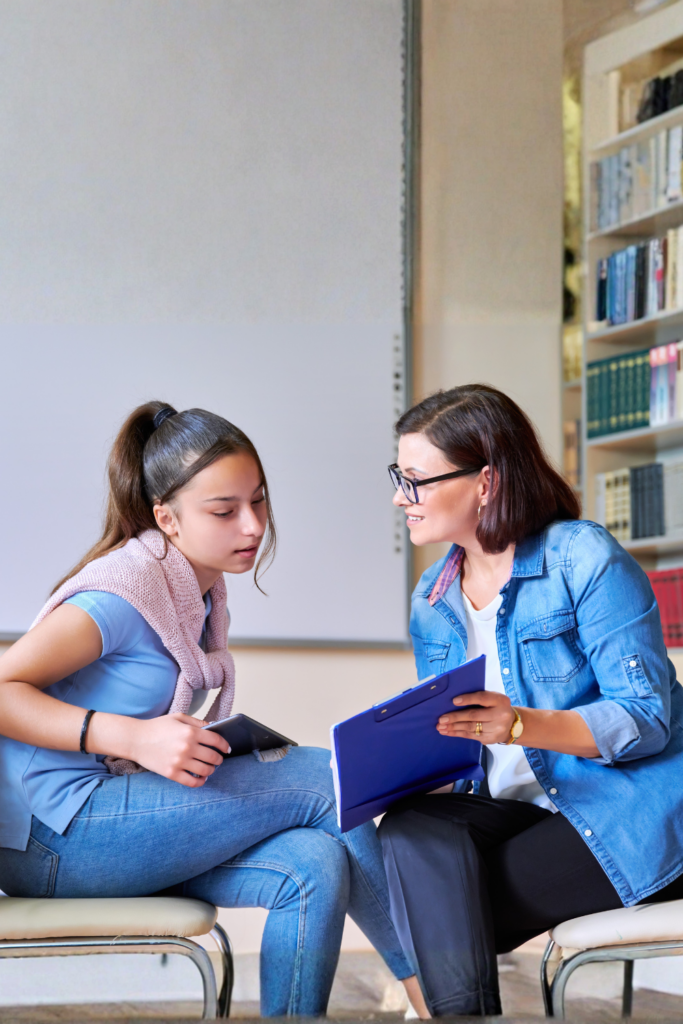
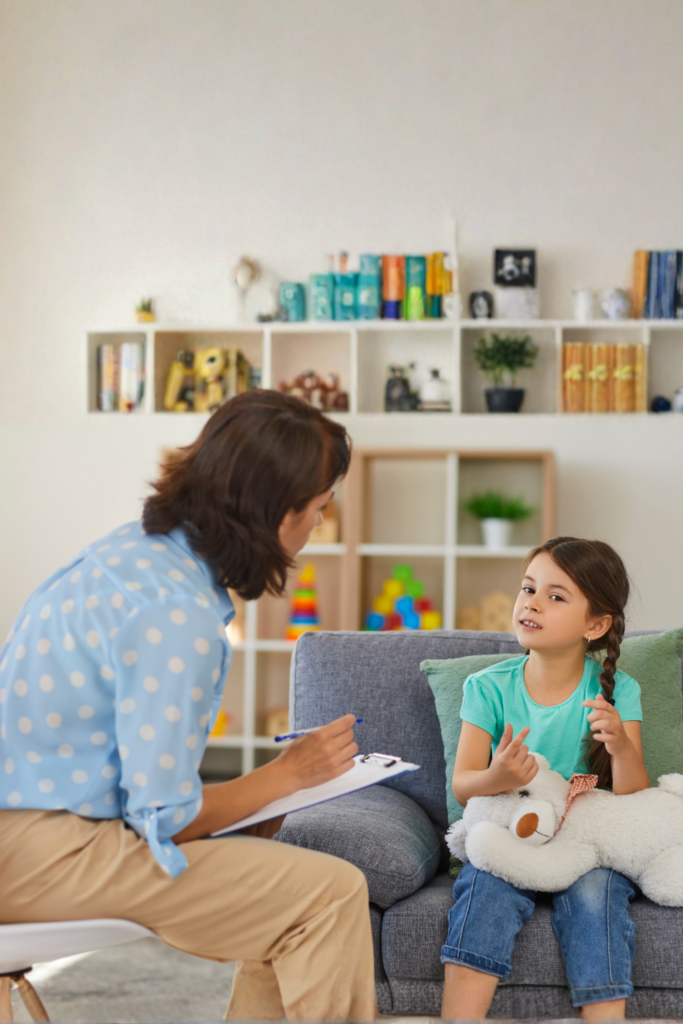
Most children recover well with consistent parental support and school involvement. But a child who has been bullied for a long time, or whose distress isn’t easing, may need more support than you can provide at home. It’s worth bringing in a counselor or therapist if you notice:
- Ongoing sadness, anxiety, or withdrawal that isn’t easing
- Any mention of not wanting to live, or self-harm
- Bullying that continues despite the school being involved
- Your child seeming to blame themselves for what’s happening
Beyond helping your child feel safe, it’s also important to help them understand what they’re experiencing emotionally. Johns Hopkins Medicine emphasizes that helping children recognize, name, and understand their emotions—instead of dismissing them with phrases like “get over it”—can strengthen emotional regulation and resilience over time. A counselor or therapist can guide both you and your child through this process, especially when bullying has had a lasting emotional impact.
If at any point you’re worried about your child’s safety or you notice signs of self-harm, please reach out to a pediatrician, school counselor, or a crisis line in your area right away—you don’t have to navigate that alone.
Quick Recap: How to Help a Bullied Child
- Watch for the quieter signs — withdrawal, mood shifts, reluctance to go to school
- Stay calm in the first conversation, and listen before you problem-solve
- Make it clear the bullying is not their fault
- Ask your child what would help them feel safe
- Coach specific responses and rebuild confidence outside of school
- Take exclusion as seriously as more visible bullying
- Approach the school calmly, with specifics, and follow up
- Bring in extra support if things aren’t improving, or right away if safety is a concern
FAQ
What are the signs your child is being bullied?
If you have a child bullied at school, common signs include reluctance to go to school, unexplained bruises or torn belongings, withdrawal from friends or activities, changes in sleep or appetite, and seeming unusually sad or anxious after school. Many kids show these signs before they say anything directly.
How do I help a bullied child who doesn’t want to talk about it?
Keep the door open without pressuring them — a low-key daily check-in works better than a big sit-down talk. Let them know you’ve noticed something seems hard and that you’re ready to listen whenever they are, and thank them for any small piece they do share.
What should I do if my child is being excluded rather than bullied outright?
Take it just as seriously as more visible bullying. Help your child build or strengthen one solid friendship, encourage activities outside the group that’s excluding them, and avoid letting anyone dismiss it as unimportant.
Should I contact the other child’s parents directly?
Most experts recommend against it, since it can escalate the situation and may not be the most effective first step. Going through the school — a teacher, counselor, or administrator — tends to lead to a safer, more structured resolution.
When should I get a counselor or therapist involved?
If your child’s sadness, anxiety, or withdrawal isn’t easing, if the bullying continues despite the school’s involvement, or if there’s any mention of self-harm, it’s time to bring in a mental health professional or your child’s pediatrician right away.
Final Thought
If you have a child bullied at school or left out by their peers, the most powerful thing you can offer isn’t a perfect solution — it’s steady, calm presence and the clear message that they’re not alone in it. With the right support, most kids do come through this feeling stronger, not smaller.
If this was helpful, save it to Pinterest so you can come back to the steps when you need them.