What Is High-Functioning Burnout?
You still show up. You still get the work done, answer the emails, show up for your people. From the outside, nothing looks wrong. But inside, you feel hollowed out, like you’re running on fumes and just haven’t noticed the tank hit empty yet. That’s high functioning burnout — and it’s one of the most under-recognized forms of chronic stress out there, because it doesn’t look the way we expect burnout to look.
Most of us picture burnout as a collapse: someone who can’t get out of bed, can’t keep up, visibly falling apart. High functioning burnout is quieter than that. It hides behind competence. You’re still performing, still delivering, still being praised for how much you handle — while a slow exhaustion builds underneath every “I’m fine.”

My Own Wake-Up Call
A few years ago, I would have told you I was thriving. I had a full calendar, a long to-do list I actually finished, and a reputation for being the person who always had it together. What I didn’t tell anyone was that I’d stopped feeling anything when I crossed things off that list. I’d finish a project and instead of relief, I just felt flat. I was sleeping badly, snapping at people I loved, and treating a headache and a knotted stomach as just part of being a busy person.
It took a doctor gently asking, “When did you last feel rested?” for me to realize I couldn’t remember. I wasn’t lazy or ungrateful — my nervous system had simply been running on overdrive for so long that “wired and tired” had become my normal. Naming it was the first step toward actually recovering from it, and it’s the reason I wanted to write this article for you.
The Hidden Burnout Symptoms Nobody Warns You About
Hidden burnout symptoms are easy to miss precisely because they don’t stop you from functioning. They just quietly erode how you feel while you keep going. Here’s what high functioning burnout tends to look like day to day, before it gets loud enough to ignore.
You feel nothing when you finish something
Instead of satisfaction or pride, you feel a flicker of relief and then… nothing. Accomplishments stop registering emotionally, even the ones you worked hard for.
You’ve stopped being able to rest, even when you have time
You finally get an evening off and can’t relax into it. Your body stays braced, your mind keeps scanning for the next task, and stillness feels almost uncomfortable.
You’re irritable with the people you love most
Patience that you can still summon for coworkers or clients seems to run out the moment you’re home. Snapping at a partner or child over something small is often less about them and more about how little capacity you have left.
You’re proud of how much you can push through
If “I don’t stop until it’s done” or “I’ll rest when I’m finished” sounds like your inner monologue, it’s worth paying attention to. High achievers are often the last to recognize the signs of burnout in themselves because pushing through has always worked before. If you’d like to better understand the early warning signs to watch for, check out my article, “7 Alarming Causes of Anxiety Most People Overlook.“
You feel disconnected from things you used to enjoy
Hobbies, social plans, even your favorite shows can start to feel like one more obligation rather than a source of joy. This flattening of interest is a classic, quiet sign of chronic stress.
Why the Signs of Burnout Get Missed for So Long
The signs of burnout are easy to dismiss precisely because you’re still succeeding. Nobody questions the person who’s meeting every deadline. Often, you don’t question yourself either — you assume that because you’re still functioning, you must be fine.
There’s also a cultural piece here. Many of us were raised to equate our worth with our output, so slowing down can feel unsafe, even shameful. According to the Mayo Clinic, job burnout is a state of physical or emotional exhaustion that also involves a reduced sense of personal accomplishment and loss of identity — and it can develop gradually, which is exactly why high-functioning burnout is so easy to overlook until it’s severe (Mayo Clinic).

How Chronic Stress Shows Up in Your Body
Burnout isn’t only emotional — chronic stress lives in the body, too, and the physical symptoms are often the first real clue that something’s wrong.
- Sleep that doesn’t restore you. You might fall asleep fine but wake up feeling like you never rested at all.
- Tension headaches or a tight jaw. Your nervous system stays braced for the next demand, even while you sleep.
- Digestive changes. Nausea, a churning stomach, or appetite shifts often show up before you’ve consciously registered feeling stressed.
- A racing heart or shallow breathing. Your body’s stress response can stay switched on long after the actual “threat” — a deadline, a hard conversation — has passed.
- Getting sick more often. Chronic stress can wear down immune function over time, making you more susceptible to colds and infections.
The American Psychological Association notes that chronic stress keeps the body’s stress-response systems activated over an extended period, which can contribute to a wide range of physical health problems if left unaddressed (APA).

Gentle Ways to Start Recovering
You don’t need a dramatic life overhaul to begin recovering from high functioning burnout. Small, consistent repairs tend to work better than a single big reset — and recovering from high-functioning burnout is rarely about doing less all at once, but about doing things differently.
Start naming it out loud. Even if it’s only in your journal, writing “I think I’m burned out” instead of “I’m just tired” can completely change how seriously you take your own needs. Simply putting a name to what you’re experiencing is often the first step toward recovery. If you’re still not sure whether what you’re feeling is burnout, read my article “10 Signs of Burnout You Should Not Ignore” to learn about the most common warning signs.
Protect one non-negotiable boundary. Pick a single line you won’t cross — no work emails after 7pm, one screen-free morning a week — and hold it before adding more.
Reintroduce rest that isn’t “earned.” Rest doesn’t need to be a reward for finishing everything. Try building in stillness before you feel like you’ve earned it.
Let one thing go undone. Practice tolerating an unfinished to-do list. It’s uncomfortable at first, and that discomfort is the point — it’s retraining your nervous system that nothing catastrophic happens when you stop.
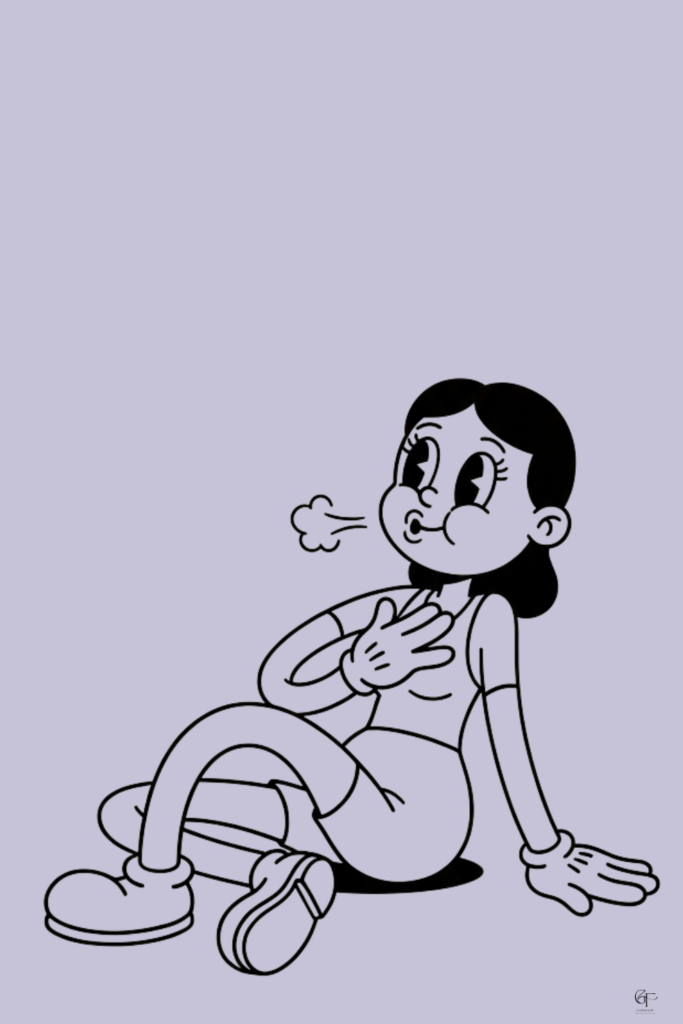
Check in with your body daily. A simple habit—placing your hand on your chest, taking three slow breaths, and asking yourself, “How am I really doing?”—can help you recognize the hidden signs of burnout before they build up and become more serious.
Talk to someone. If exhaustion, numbness, or physical symptoms are persisting, a therapist or doctor can help you figure out what’s underneath it, and rule out other causes. The National Institute of Mental Health offers guidance on recognizing when stress has moved beyond what self-care alone can manage (NIMH).
Revisit what “success” means to you. Recovering from burnout often begins with quietly questioning the beliefs that brought you here—like believing your worth depends on your productivity or that slowing down means falling behind.
Quick Recap
- High functioning burnout hides behind competence — you’re still performing while feeling depleted inside.
- Hidden burnout symptoms include emotional flatness, irritability with loved ones, and an inability to truly rest.
- Chronic stress often shows up physically first: poor sleep, tension, digestive changes, a racing heart.
- The signs of burnout get missed because achievement masks exhaustion, both to others and to yourself.
- Recovery starts small: naming it, protecting one boundary, and reintroducing unearned rest.
FAQ
What are the early signs of high-functioning burnout? Early signs often include feeling flat after accomplishments, sleep that doesn’t feel restorative, and increased irritability with the people closest to you, even while your performance at work stays consistent.
How is high-functioning burnout different from regular burnout? With regular burnout, performance visibly drops. With high functioning burnout, you keep meeting expectations and appearing capable, while carrying significant internal exhaustion that others rarely see.
Can you have burnout even if you’re still succeeding at work? Yes — this is the core of high functioning burnout. Success and burnout aren’t mutually exclusive; high achievers are often more skilled at pushing through exhaustion, which can delay recognizing it until it’s more severe.
How long does it take to recover from high-functioning burnout? Recovery timelines vary depending on how long the burnout has been building. It typically involves restoring sleep, setting boundaries, and reducing overall load, and it tends to happen gradually rather than overnight.
When should I see a professional about burnout? If exhaustion, numbness, or physical symptoms like sleep problems or persistent tension are lasting for weeks and self-care isn’t shifting them, it’s a good time to talk to a doctor or therapist.
Final Thoughts
High functioning burnout doesn’t announce itself with a collapse — it builds quietly, disguised as competence, until “wired and tired” starts to feel normal. Recognizing the hidden burnout symptoms in yourself isn’t a sign of weakness. It’s the first honest step toward feeling like yourself again.
If any of this felt familiar, save this post to your “Self-Care” Pinterest board so you can come back to it — and let me know in the comments: which sign did you recognize in yourself first?